
Comprehensive Family Eye Care
Our comprehensive eye exams cover all aspects of your vision and eye health. Determining your eyewear prescription is important, but routine eye care is also a form of preventive health care for your eyes.
Regular eye exams detect early signs of eye disease before vision loss occurs. Our diagnostic technology assesses your eyes’ internal and external structures, allowing us to monitor for conditions and offer timely treatment to protect your eye health.
We’re proud to offer services in both English and Spanish. For a Spanish-language exam, please book with Dr. Peterson.
Book your eye exam today and meet our friendly, experienced team!
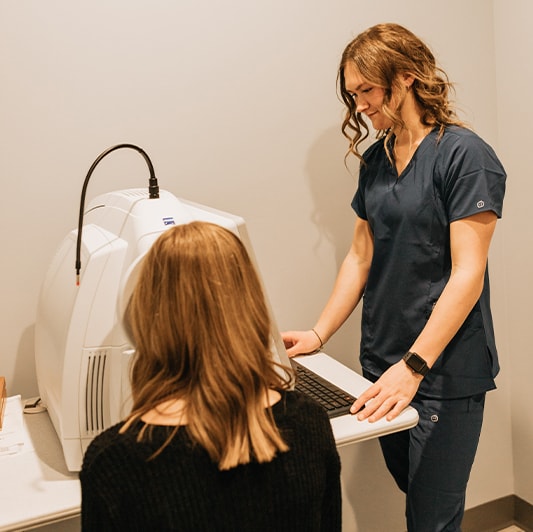
How Often Do I Need an Eye Exam?
We recommend that all our patients, ages 18 and over, receive annual eye exams. Our recommendations for children’s eye exams are slightly different.
Depending on your prescription or current eye health, we may recommend more frequent eye exams. If you have an existing eye condition or systemic health condition, we may need to monitor your eyes more closely. More frequent exams help us catch any changes to your vision and respond to them right away.
Patients with diabetes or high myopia may require annual or bi-annual exams, regardless of age.
What Happens During an Eye Exam?
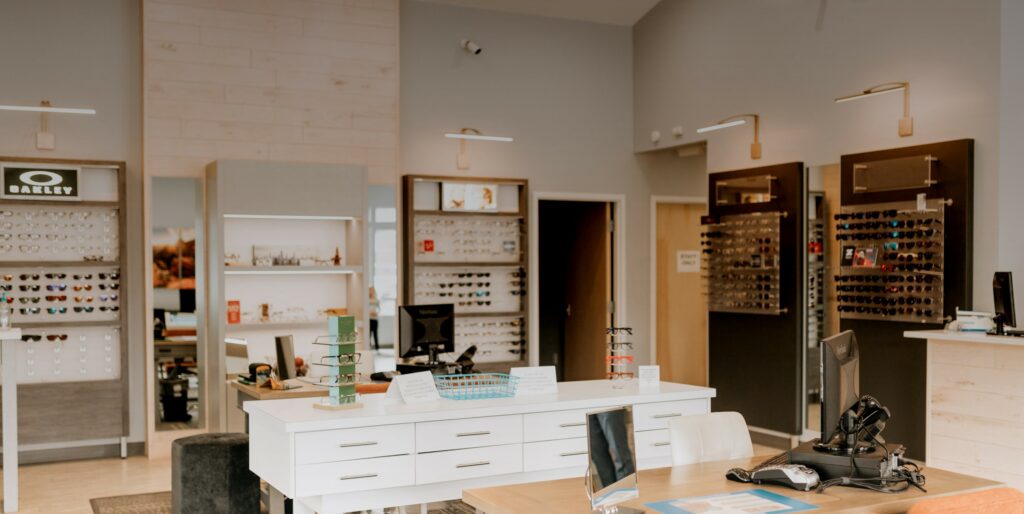
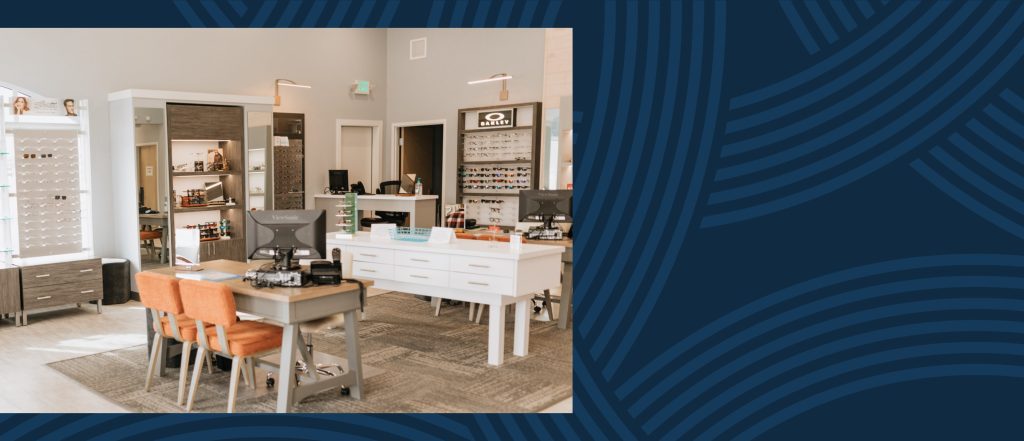
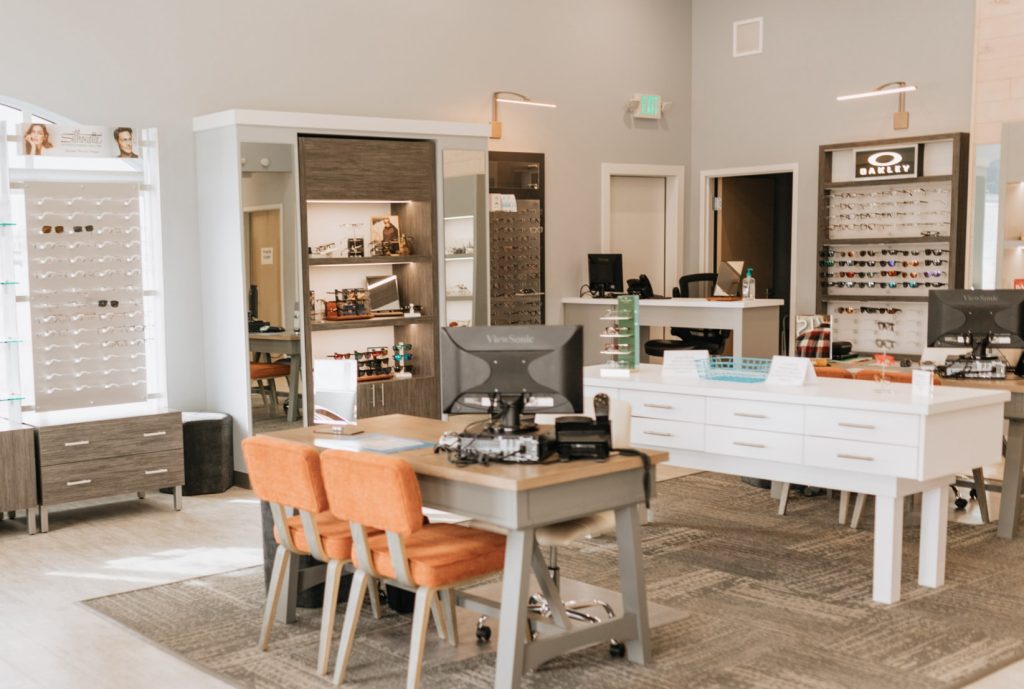
When you enter our clinic for your eye exam, you’ll receive a friendly greeting from our team. Our comfortable office is a great place to browse for eyewear or relax before your appointment. However, you won’t be waiting long because we value your time.
We’ll start your eye exam with questions about your lifestyle, habits, and any symptoms you might be experiencing at home or work. We’ll also ask some questions about your medications, overall health, and family health history.
Eye exams are about more than just your vision. It’s important for us to get a full picture of your health to determine any conditions you may be at risk for. For example, systemic health conditions such as diabetes or hypertension can affect your eye health and may require additional tests or more frequent monitoring to protect your vision.
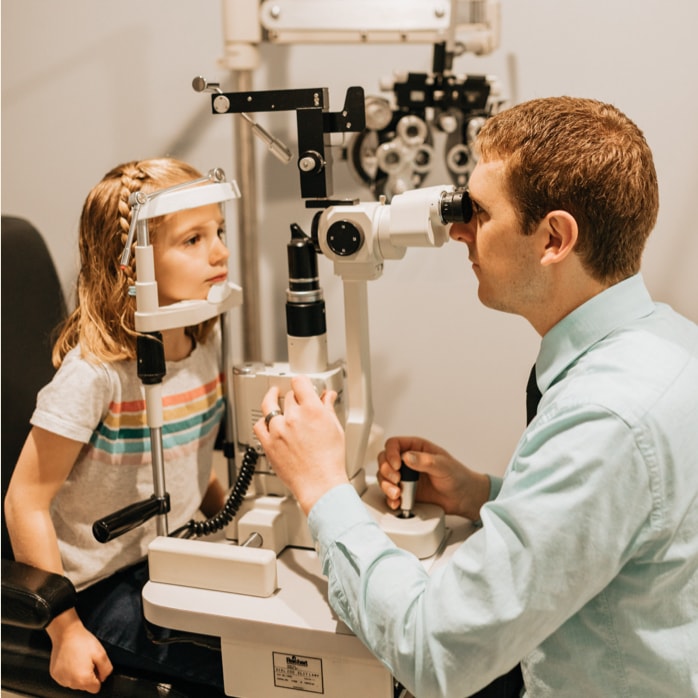
Once we have a thorough understanding of your overall health, we will assess your eye health, check your eye alignment and how well your eyes work together, and finally determine your visual acuity and eyeglass prescription, if needed.
Our team takes the time to get to know you and your family. We’ll make sure you fully understand any tests performed or diagnoses given.
Evaluating your overall eye health is a crucial part of a comprehensive eye exam and differentiates eye exams from sight tests.
During your exam, we will check the health of your internal eye structures, such as your retina, the light-sensitive layer inside your eye, your blood vessels, your optic nerve, and your internal eye pressure. Any changes or damage to these structures could indicate signs of eye disease.
Most of your eye health testing is done using our eye care technology. This includes tonometry for eye pressure, Optos California retinal imaging for eye health, and LipiScan meibography to screen for dry eye, among other instruments.
Eye alignment and eye coordination play an important role in your vision. If your eyes are misaligned or have trouble working together, you may experience symptoms such as headaches and eye strain, nausea, vertigo, motion sickness, light sensitivity, dry eye, and neck or shoulder pain.
You may also notice blurred or double vision, or you may have trouble focusing on objects up close or seeing screens.
We’ll assess your eyes to make sure they are working well together. If you are noticing any of the above symptoms, we may also check your eye alignment using the Neurolens VR N3 headset, which can determine whether a prism lens would improve your vision.
The most well-known aspect of our comprehensive eye exams is the visual acuity check. Your visual acuity refers to how clear your vision is without corrective eyewear.
During your visual acuity tests, we will determine how much your vision is impacted by refractive errors, including nearsightedness, farsightedness, astigmatism, or presbyopia. It is during this part of your exam that we determine your prescription and let you know if you need glasses or contact lenses, or need to update your current eyewear.
Our Technology for Comprehensive Eye Exams
We use thorough, noninvasive technologies that allow us to assess the health of your eyes. These technologies do not directly touch your eye, and most use high-resolution imaging techniques to give us a clear understanding of your eye health and vision.
Not every device is used in our comprehensive eye exams. Some tests will be conducted periodically, and others as needed. If you have any questions about the technology used in your exam, feel free to ask your optometric technician or optometrist during your appointment.
The Optos California device is a retinal imaging technology that allows us to see a wide view of your retina, the light-sensitive tissue that lines the inside of your eye, through a single image.
Retinal imaging is an important part of any comprehensive eye exam because it allows us to monitor and assess the health of important eye structures, including your retina, blood vessels, and optic nerve. We chose the Optos California device because it has an extra-wide field of view and various color modalities, allowing us to better evaluate the overall health of your eyes.
The TearScience LipiScan device uses Dynamic Meibomian Imaging (DMI) to allow us to collect high-definition images of your meibomian glands. These glands line your eyelids and are responsible for producing part of your tear film.
Dysfunction of the meibomian glands is the most common cause of dry eye symptoms. By assessing the health of your glands using LipiScan, we can easily and noninvasively check for meibomian gland dysfunction.
The Zeiss Cirrus OCT, or optical coherence tomography scans, use light waves to map the layers of your retina, which is the light-sensitive tissue that lines the inside of your eye. This scan allows us to see a cross-sectional image of your retina.
This image helps us monitor your eye health, including retinal thickness and optic nerve health. It is a powerful tool for preventive eye health, providing a clear baseline of health that we can compare to in the future.
The Neurolens VR N3 headset is used for patients with eye misalignment. This virtual reality headset allows us to get an accurate and precise prism prescription that corrects eye misalignment for near and distance vision.
Keep Your Eyes Healthy with Routine Eye Exams
Regularly scheduled, comprehensive eye exams can help protect your eye health from eye disease. Many eye diseases develop without noticeable symptoms, so eye exams remain the most effective preventive measure against vision loss from eye disease.
Additionally, regularly scheduled eye exams can help you keep your prescription and vision up to date. Often, changes to our vision occur gradually over time, so you may not even realize that your current glasses or contact lenses aren’t giving you the clearest vision anymore. Keeping your prescription up to date keeps your vision clear and helps reduce eye strain.
Ready for your next eye exam? Book online today.


Say Goodbye to
Dry, Gritty Eyes
Do your eyes often feel scratchy, gritty, or irritated? You may be experiencing dry eye syndrome, an uncomfortable but common condition that impacts your body’s ability to produce good-quality tears.
We understand the frustration and discomfort that come with dry eye symptoms. That’s why we screen for dry eye in all our adult eye exams. If you receive a diagnosis, you have options.
We offer a variety of at-home and in-office treatment methods, including IPL and radiofrequency therapy. During your appointment, your optometrist will develop a personalized plan tailored to your specific symptoms, the underlying cause, and your individual preferences.
Our Eyewear Brands


Clear Vision
and Healthy Eyes
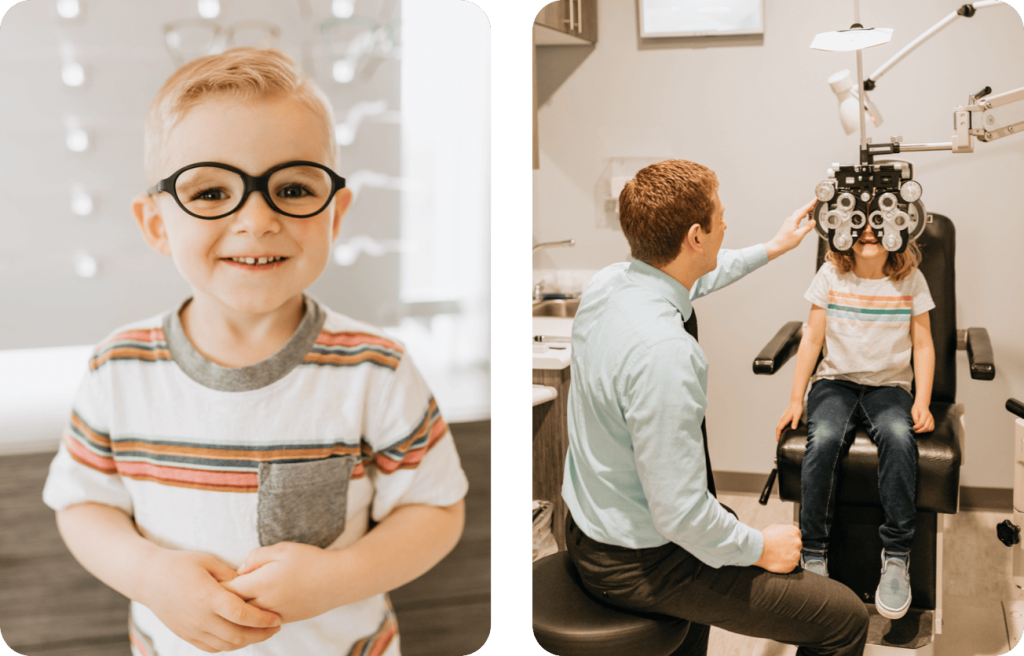
If your child is nearsighted, traditional glasses often aren’t
enough. Protect your child’s vision with myopia control and
reduce their risk of future eye conditions.
Visit Our Location
We’re located on East Pony Express Parkway, just across from North Clydesdale Drive.
Our Address
- 4408 E Pony Express Pkwy, Suite A
- Eagle Mountain, UT 84005
Contact Information
- Phone: 801-789-3937
- Fax: 801-228-2420
- Email: [email protected]
Hours Of Operation

Visit Our Location
We’re located on East Pony Express Parkway, just across from North Clydesdale Drive.
Our Address
- 4408 E Pony Express Pkwy, Suite A
- Eagle Mountain, UT 84005
Contact Information
- Phone: 801-789-3937
- Fax: 801-228-2420
- Email: [email protected]
Hours Of Operation
Our Google Reviews

What Our Patients Are Saying
Eagle Vision is phenomenal! They were so sweet with my kids and got them in and out quick. Then when my husband came who hates drs, they did a great job going quickly. He picked out some glasses that seemed amazing. Once he got them and used them, he was ready to throw them out a window and roll over them. He was so mad. We came back in and spoke to the gals there and they came up with a solution that worked for us. He is now THRILLED with his glasses and loves them so much. Eagle Vision is an awesome place and we are so happy to go there.
M. Green
Dr. Barney did a great job with my 5 year old son. It was his first time getting his eyes checked and he helped him not to be nervous. It all went very smooth and professional. Great office! Great Dr.!
H. Wolfe
Love having an eye doctor close to my home that accepted my insurance. Did a great job with both me and my children. Very friendly and thorough. Good selection of frames.
J. Gonzalez
Everything went well. The staff was friendly, knowledgeable and got me into my appointment quickly. I thought it was better experience than going to one of those in-store optical centers, which would have cost the same amount or more.
L. Hardy
Dr Barney, Thanks so much for all the help. I have had my exam, prescription, and glasses taken care of. Thank you thank you thank you!!! I also had 3 other family members go to Dr Barney.
Special thanks for offering to fix an older pair of glasses as well. I will try to round up the parts 🙂
Thanks for the text messages keeping me informed of appointment as well as the one about my frames being ready for pick up.
Rock on!
J. Peterson
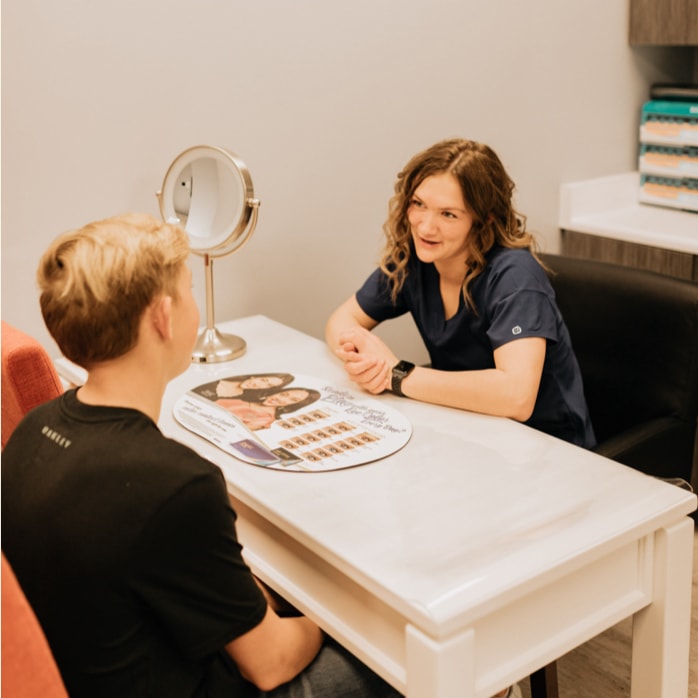
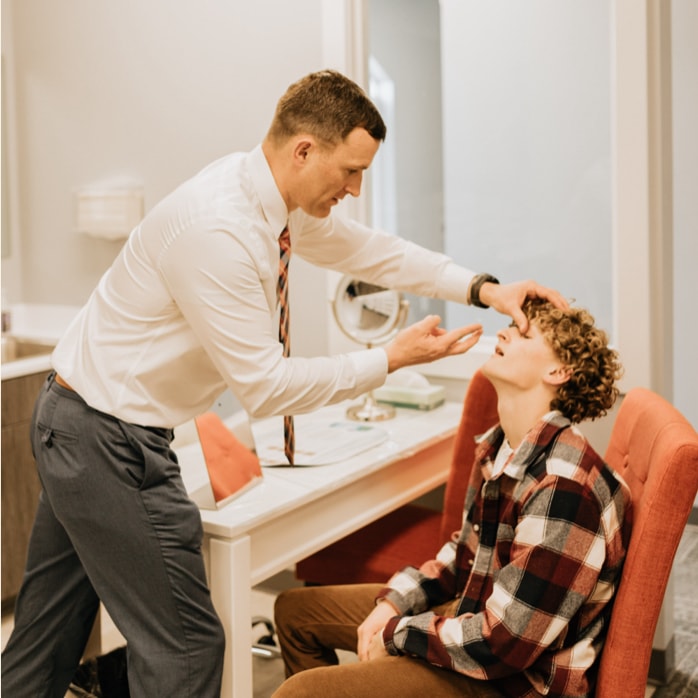
Peek Inside Our Clinic



About Us
Specialty Eye Care
Eyewear & Contacts
Eagle Vision Family Eye Care
- 4408 E Pony Express Pkwy, Suite A
- Eagle Mountain, UT 84005
- 801-789-3937
- 801-228-2420
- [email protected]