
Uncomfortable Vision and Headaches
People who experience frequent headaches and eye strain may have an underlying eye condition, beyond a refractive error like nearsightedness. Eye misalignment, such as binocular vision dysfunction (BVD), may be the culprit for your symptoms.
Additionally, the increasing prevalence of digital devices in our daily lives can add another cause of eye strain, fatigue, and other uncomfortable symptoms.
At Eagle Vision, we complete in-depth eye exams that check for eye alignment issues, dry eye, and other conditions that may contribute to your discomfort. We have various treatments, eyewear options, and other recommendations available depending on your situation.
Book your eye exam to find relief today.

Binocular Vision Assessments
Our brain usually receives signals from both our eyes at the same time. This information is slightly different from each eye and helps our brain judge distances and coordinate eye movements in a well-functioning visual system.
However, some people experience binocular vision anomalies, where the eyes or the brain struggle to work together. This may cause symptoms such as headaches, eye strain, eye pain, and blurry or double vision.
We conduct binocular vision assessments to check how well your eyes are aligned and working together. If we notice issues, we may recommend prism lenses or refer you to a vision therapist.
Neurolens Prism Glasses
Neurolens are therapeutic lenses that use a contoured prism design to relieve symptoms of eye misalignment. These lenses can be customized to your prescription to correct your vision and alignment at the same time.
Neurolens are designed to relieve headaches, motion sickness, dry eye, eye strain, light sensitivity, and neck or shoulder pain caused by eye alignment issues. The contoured prism aligns your eyes at all distances for continuously clear and comfortable vision.
Digital Eye Strain
Digital eye strain, or computer vision syndrome, is a common problem. About 65% of Americans experience some discomfort related to screen time.
Symptoms of digital eye strain include headaches, eye strain, dry eyes, blurry vision, and pain in your shoulders or neck. Typically, these symptoms alleviate when you take a sufficient break from digital devices, but return once you’re back to work in front of a computer.
If you’re experiencing digital eye strain, we recommend booking an eye exam. We can check for any underlying conditions that might be contributing to your symptoms and provide eyewear options, such as blue light-blocking glasses, to increase your comfort.
Healthy Habits for Screen Time
Completely avoiding digital devices is simply not possible in this day and age. In fact, many of us work primarily online, and many children and teenagers are using computers more frequently at school and for homework. Digital eye strain can affect people at any age and can make regular tasks more difficult.
To reduce eye strain and mitigate your discomfort while using devices, there are a number of things you can do.
Having an ergonomic setup in the office or at home can keep you comfortable while working. Setting up your workstation is something well within most people’s control, particularly if you have a home office.
Try the following:
- Sit upright, with feet flat on the floor
- Don’t hunch your shoulders
- Align your neck with your torso
- Keep devices at eye level
- Keep your keyboard and mouse close to prevent reaching
Most digital devices have some settings you can adjust to keep your eyes comfortable while using them.
Try these tips:
- Increase the contrast levels and text size
- Match screen brightness to your surroundings
- Install a blue-light blocking app
We know that taking a break from important work—or a great movie—might be hard. But giving your eyes some periods of rest throughout your screen time can help with discomfort.
Try the 20-20-20 rule. Every 20 minutes, look at something 20 feet away for 20 seconds. This easy exercise will help you take a moment to blink, relax, and refocus your eyes.
Try to reduce your leisure time spent on screens. This is especially important for children and teenagers, where increased screen time is associated with the development of myopia.
Opt for non-digital activities more often. Consider going for a walk, a picnic, or playing a family board game every so often to spend time away from your devices.
Wearing an outdated prescription can contribute to digital eye strain. Maintain a regular eye exam schedule to keep your glasses or contact lenses up-to-date.
Some people may also find eyewear designed for digital device use, such as computer glasses, helps reduce eye strain. These lenses are designed to focus at intermediate distances, perfect for viewing a computer screen.
Keeping Your Eye Comfortable
Don’t push through uncomfortable symptoms like headaches, eye strain, or neck and shoulder pain. Whether your symptoms are due to digital device use, binocular vision dysfunction, or other conditions, we can investigate and help you find relief.
Book an appointment today for an in-depth eye exam to diagnose your symptoms and help your eyes feel comfortable again.


Say Goodbye to
Dry, Gritty Eyes
Do your eyes often feel scratchy, gritty, or irritated? You may be experiencing dry eye syndrome, an uncomfortable but common condition that impacts your body’s ability to produce good-quality tears.
We understand the frustration and discomfort that come with dry eye symptoms. That’s why we screen for dry eye in all our adult eye exams. If you receive a diagnosis, you have options.
We offer a variety of at-home and in-office treatment methods, including IPL and radiofrequency therapy. During your appointment, your optometrist will develop a personalized plan tailored to your specific symptoms, the underlying cause, and your individual preferences.
Our Eyewear Brands





Clear Vision
and Healthy Eyes
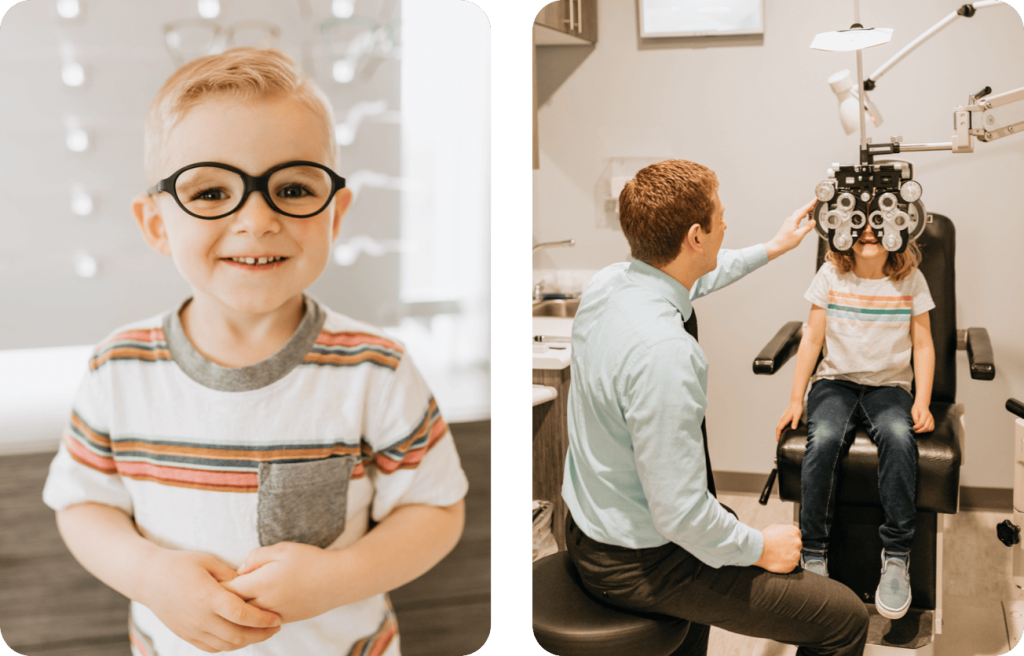
If your child is nearsighted, traditional glasses often aren’t
enough. Protect your child’s vision with myopia control and
reduce their risk of future eye conditions.

Visit Our Location
We’re located on East Pony Express Parkway, just across from North Clydesdale Drive.
Our Address
- 4408 E Pony Express Pkwy, Suite A
- Eagle Mountain, UT 84005
Contact Information
- Phone: 801-789-3937
- Fax: 801-228-2420
- Email: [email protected]
Hours Of Operation


Visit Our Location
We’re located on East Pony Express Parkway, just across from North Clydesdale Drive.
Our Address
- 4408 E Pony Express Pkwy, Suite A
- Eagle Mountain, UT 84005
Contact Information
- Phone: 801-789-3937
- Fax: 801-228-2420
- Email: [email protected]
Hours Of Operation
Our Google Reviews

What Our Patients Are Saying
Eagle Vision is phenomenal! They were so sweet with my kids and got them in and out quick. Then when my husband came who hates drs, they did a great job going quickly. He picked out some glasses that seemed amazing. Once he got them and used them, he was ready to throw them out a window and roll over them. He was so mad. We came back in and spoke to the gals there and they came up with a solution that worked for us. He is now THRILLED with his glasses and loves them so much. Eagle Vision is an awesome place and we are so happy to go there.
M. Green
Dr. Barney did a great job with my 5 year old son. It was his first time getting his eyes checked and he helped him not to be nervous. It all went very smooth and professional. Great office! Great Dr.!
H. Wolfe
Love having an eye doctor close to my home that accepted my insurance. Did a great job with both me and my children. Very friendly and thorough. Good selection of frames.
J. Gonzalez
Everything went well. The staff was friendly, knowledgeable and got me into my appointment quickly. I thought it was better experience than going to one of those in-store optical centers, which would have cost the same amount or more.
L. Hardy
Dr Barney, Thanks so much for all the help. I have had my exam, prescription, and glasses taken care of. Thank you thank you thank you!!! I also had 3 other family members go to Dr Barney.
Special thanks for offering to fix an older pair of glasses as well. I will try to round up the parts 🙂
Thanks for the text messages keeping me informed of appointment as well as the one about my frames being ready for pick up.
Rock on!
J. Peterson
Peek Inside Our Clinic




About Us
Specialty Eye Care
Eyewear & Contacts
Eagle Vision Family Eye Care
- 4408 E Pony Express Pkwy, Suite A
- Eagle Mountain, UT 84005
- 801-789-3937
- 801-228-2420
- [email protected]