
Keeping an Eye on Your Ocular Health
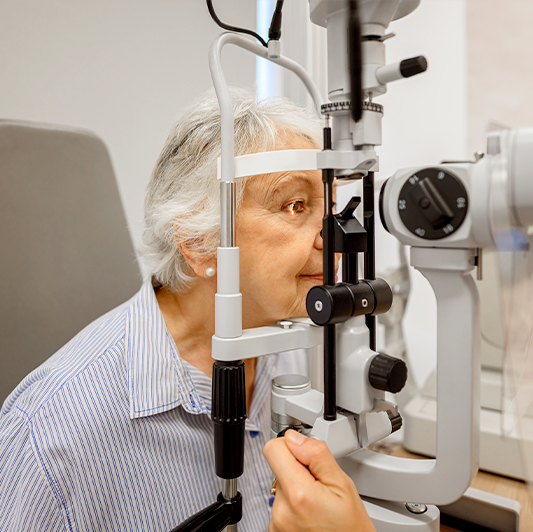
Eye exams are for more than just visual acuity. Regular eye exams allow your optometrist to establish a baseline for your eye health and check for changes at every appointment.
Preventive healthcare is important for your whole body, including your eyes. Many eye diseases can lead to vision loss if left untreated, and many begin without any noticeable symptoms.
At Eagle Vision, we want to see you regularly. It is important to identify any early signs of eye diseases so that we can treat them before they become worse. If you require surgery or other special treatment, rest assured that we have a network of trusted specialists and will promptly provide you with a referral.
Book an appointment with our team today. We’ll keep an eye on your ocular health.
Ocular Allergy Treatment
Allergies can cause itchy and uncomfortable eyes in acute reactions. However, long-term allergies can cause problems with scratches or ulcers.
Most people treat their allergies with over-the-counter medications like antihistamines. Eye drops can also help keep your eyes lubricated and reduce itchiness, decreasing your chances of scratching your eyes.
However, if these treatments are not helping or your allergies are getting worse and leading to pain, redness, and discharge, you need to be seen by an optometrist. We can examine your eyes and discuss different options until we find what works for you.
Glaucoma
Glaucoma is a group of eye diseases characterized by damage to the optic nerve. Generally, this damage is caused by high intraocular pressure (IOP), or internal eye pressure. Many forms of glaucoma have no symptoms during the early stages, with gradual changes to your vision that often go unnoticed.
There are 2 main types of glaucoma:
- Open-Angle Glaucoma: Occurs if the eye’s drainage channels become blocked, IOP increases, damaging the optic nerve.
- Angle-Closure Glaucoma: Occurs if the space between the iris and cornea narrows, causing fluid to become trapped inside the eye and increasing IOP. Angle-closure glaucoma can be acute or chronic. An acute (sudden) occurrence is a medical emergency.
Eye trauma or injuries can also damage the optic nerve, which is called secondary glaucoma. As well, not all glaucoma is accompanied by increased IOP. That’s why we perform various tests, such as tonometry, OCT scans, and visual field testing, in your eye exam to screen for glaucoma.
Glaucoma risk factors may include:
- Genetics
- Eye trauma
- Diabetes
- Heart disease
- Age (over 60)
- High blood pressure
- Diabetes
- Corticosteroid use
- Extreme refractive errors (such as high myopia)
While glaucoma often progresses without symptoms, here are a few signs that may indicate something is wrong:
- Blind spots
- Loss of peripheral vision
- Tunnel vision
- Blurry vision
- Halos around lights
- Pain and redness (for acute angle-closure glaucoma)
You should always book an appointment with us if you notice any sudden changes in your vision.
Cataracts
If the clear lens in your eye hardens and becomes opaque, this is called a cataract. Generally, cataracts are part of the normal aging process; however, they can occur in infants or young children.
Often, vision impairment from cataracts can be corrected with an updated prescription for glasses or contact lenses. If the cataracts progress to a point where your daily life is impacted and we cannot correct your vision using lenses, we will provide a referral to a cataract surgeon.
While cataracts are often part of the normal aging process, several risk factors can increase your likelihood of developing cataracts.
- Genetics
- Diabetes
- Certain medications, such as corticosteroids
- Smoking
- Exposure to UV rays (wear sunglasses with 100% UV protection while outdoors)
Symptoms of cataracts can include:
- Blurry or hazy vision
- Poor night vision
- Halos around lights
- Muted color vision
- Light sensitivity
Age-Related Macular Degeneration
Age-related macular degeneration (AMD) can lead to central vision loss through damage to the macula. The macula is the part of your retina responsible for your central vision and most of your color vision.
Central vision is responsible for close-up tasks like reading and writing, as well as driving and recognizing faces, so AMD can pose a serious risk to your daily activities.
Risk factors for AMD may include:
- Genetics
- Exposure to UV rays (wear sunglasses with 100% UV protection while outdoors)
- Smoking
- Poor nutrition
- Lack of exercise
Symptoms of AMD might include:
- Straight lines appear wavy
- Blurry central vision that cannot be rectified with corrective lenses
- Reduced color vision
- A dark or empty area in the center of vision
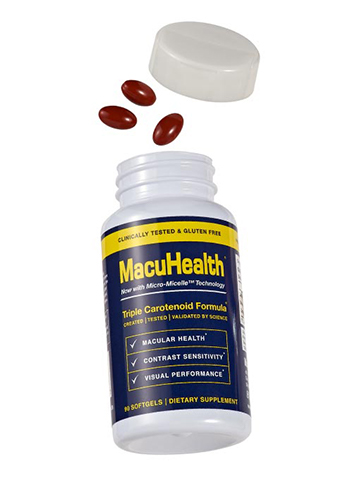
We recommend MacuHealth supplements for those who are at risk of developing AMD and MacuHealth Plus+ for those who have already been diagnosed with AMD.
These products are available for sale in our office.
Prevention Starts with an Eye Exam
As many eye diseases develop without noticeable symptoms, eye exams remain your primary line of defense against these vision-threatening conditions.
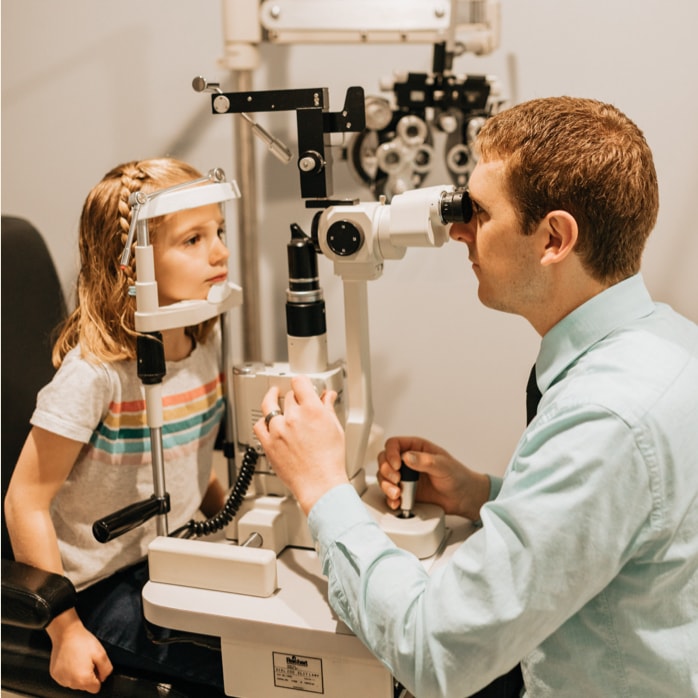
At Eagle Vision, we use diagnostic eye care technology to monitor the health of your eyes. Through high-resolution retinal imaging and OCT scans, we can develop a baseline of your healthy eyes and vision that will help us detect small changes that may indicate eye disease.
Other diagnostic tests, such as checking your eye pressure through tonometry, measuring your peripheral vision through visual field testing, and evaluating the health of your tear glands with LipiScan, give us a comprehensive understanding of your eye health. Our eye exams are performed with prevention in mind, focusing on keeping your eyes healthy for the future.
Book your appointment at Eagle Vision today, so that we can watch for the early signs of eye disease.


Say Goodbye to
Dry, Gritty Eyes
Do your eyes often feel scratchy, gritty, or irritated? You may be experiencing dry eye syndrome, an uncomfortable but common condition that impacts your body’s ability to produce good-quality tears.
We understand the frustration and discomfort that come with dry eye symptoms. That’s why we screen for dry eye in all our adult eye exams. If you receive a diagnosis, you have options.
We offer a variety of at-home and in-office treatment methods, including IPL and radiofrequency therapy. During your appointment, your optometrist will develop a personalized plan tailored to your specific symptoms, the underlying cause, and your individual preferences.
Our Eyewear Brands



Clear Vision
and Healthy Eyes
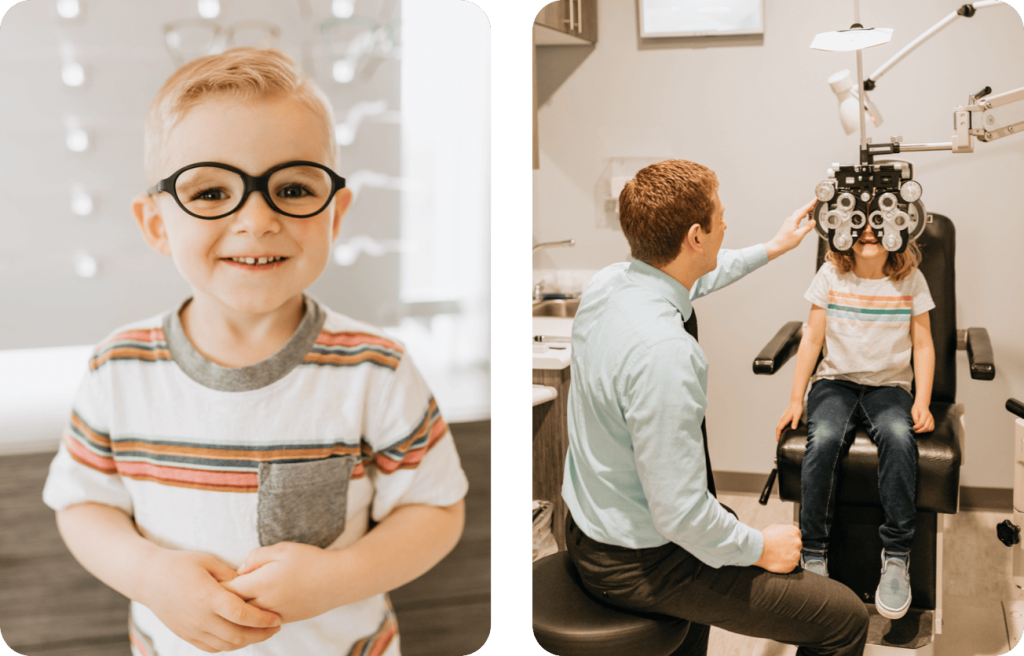
If your child is nearsighted, traditional glasses often aren’t
enough. Protect your child’s vision with myopia control and
reduce their risk of future eye conditions.

Visit Our Location
We’re located on East Pony Express Parkway, just across from North Clydesdale Drive.
Our Address
- 4408 E Pony Express Pkwy, Suite A
- Eagle Mountain, UT 84005
Contact Information
- Phone: 801-789-3937
- Fax: 801-228-2420
- Email: [email protected]
Hours Of Operation

Visit Our Location
We’re located on East Pony Express Parkway, just across from North Clydesdale Drive.
Our Address
- 4408 E Pony Express Pkwy, Suite A
- Eagle Mountain, UT 84005
Contact Information
- Phone: 801-789-3937
- Fax: 801-228-2420
- Email: [email protected]
Hours Of Operation
Our Google Reviews

What Our Patients Are Saying
Eagle Vision is phenomenal! They were so sweet with my kids and got them in and out quick. Then when my husband came who hates drs, they did a great job going quickly. He picked out some glasses that seemed amazing. Once he got them and used them, he was ready to throw them out a window and roll over them. He was so mad. We came back in and spoke to the gals there and they came up with a solution that worked for us. He is now THRILLED with his glasses and loves them so much. Eagle Vision is an awesome place and we are so happy to go there.
M. Green
Dr. Barney did a great job with my 5 year old son. It was his first time getting his eyes checked and he helped him not to be nervous. It all went very smooth and professional. Great office! Great Dr.!
H. Wolfe
Love having an eye doctor close to my home that accepted my insurance. Did a great job with both me and my children. Very friendly and thorough. Good selection of frames.
J. Gonzalez
Everything went well. The staff was friendly, knowledgeable and got me into my appointment quickly. I thought it was better experience than going to one of those in-store optical centers, which would have cost the same amount or more.
L. Hardy
Dr Barney, Thanks so much for all the help. I have had my exam, prescription, and glasses taken care of. Thank you thank you thank you!!! I also had 3 other family members go to Dr Barney.
Special thanks for offering to fix an older pair of glasses as well. I will try to round up the parts 🙂
Thanks for the text messages keeping me informed of appointment as well as the one about my frames being ready for pick up.
Rock on!
J. Peterson
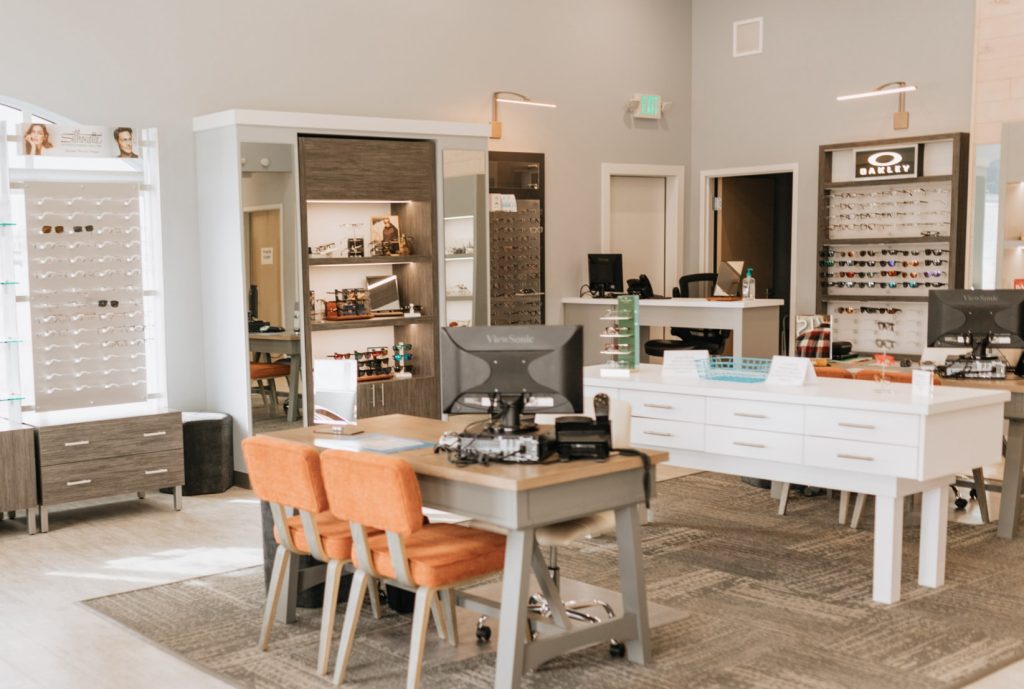
Peek Inside Our Clinic



About Us
Specialty Eye Care
Eyewear & Contacts
Eagle Vision Family Eye Care
- 4408 E Pony Express Pkwy, Suite A
- Eagle Mountain, UT 84005
- 801-789-3937
- 801-228-2420
- [email protected]